

This is commonly known as the Doorway Effect. Our brain treats a doorway as a boundary. So, it clears our short-term memory so we can take in new sights and tasks in a new space.
Introduction
Have you ever entered a room with a purpose but then thought, “Why was I here?” or have you opened the fridge to grab something, and the moment you open the door, you forget why you were there.
These are scenarios that happen in our daily lives. This is a very common phenomenon; you are not alone in this.
This effect is known as The Doorway Effect in scientific terms.
Why does it happen?
It happens because our brain treats physical and virtual boundaries as event boundaries. Our brain organizes tasks and clears out previous memories. It is the same as your computer clearing out memory when you close an application, or throwing away disposable cups after using them. In simpler words, our brain frees up space for new memories in new room/places.
Your memories are not permanently deleted; they are just temporarily inaccessible as our brain focuses on the new room. You will almost always remember the task later when:
- You walk back into the room where you originally had the thought.
- Something triggers the context of your thought (e.g., seeing a book reminds you that you need to study).
Is it harmful?
People often joke that you’re getting old , but it’s actually a sign of a healthy brain.
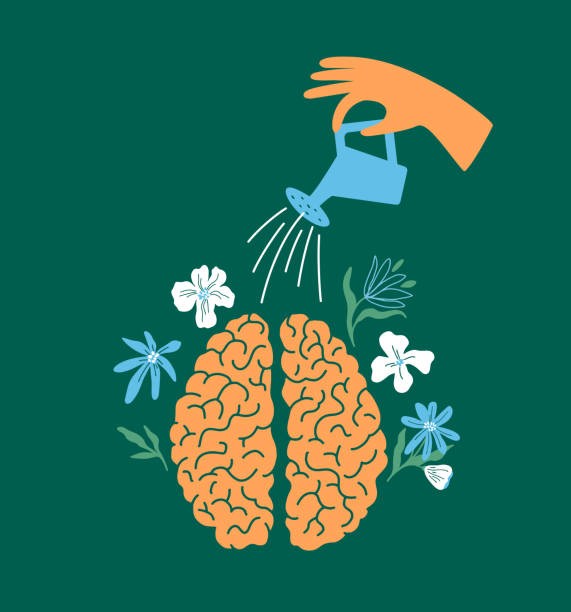
Clearing out old memories is healthy as it keeps our brain:
- Optimized: Keeps our minds fresh.
- Efficient: Helps us focus more on the task that we’re doing at the moment.
- Adaptable: Ensures we can quickly adapt to our new surroundings.
It is a natural function of our brain that increases our efficiency and helps us keep our brain healthy.
How to tackle it?
To outsmart this effect, we can use some memory hacks (before you move) and recovery hacks (after forgetting):
Memory Hacks
Do this before moving to a new space:
- Say your goal out loud (e.g., “I’m getting my books”). If you have more than 4 goals, it is recommended to make a list or note it down somewhere.
- Visualize yourself doing the task in the next room. This makes it easier to remember (pictures are easier to recall).
- Keeping a goal-related object nearby helps us retain the memory. Whenever you see that object, you automatically remember the goal.
- Take a pause to lock in the thought.
Recovery Hacks
Do this if you forgot the thought or task:
- Walk back to the original room to trigger the old context (this works most of the time).
- Relax your mind, as it is hard to remember things when stressed or panicked.
Conclusion
The Doorway Effect proves that our brain is incredibly smart, even if it makes us feel silly and frustrated. Next time you move out of your room to grab something, make sure to use memory hacks like speaking your goal out loud or visualizing the goal to trick the glitch. If that fails, just pay a visit to the place where you initially had the thought.